




What if the dragons, unicorns and sea monsters that appear throughout centuries of folklore weren’t entirely the products of human imagination? What if some of these legendary creatures were inspired by real animals, misunderstood fossils or sightings of unfamiliar species?
The Denver Museum of Nature & Science is inviting visitors to investigate these and other questions with “Mythic Creatures: Dragons, Unicorns & Mermaids,” a new exhibition that explores the scientific and cultural origins of legendary beasts from Asia, Europe, the Americas and beyond.
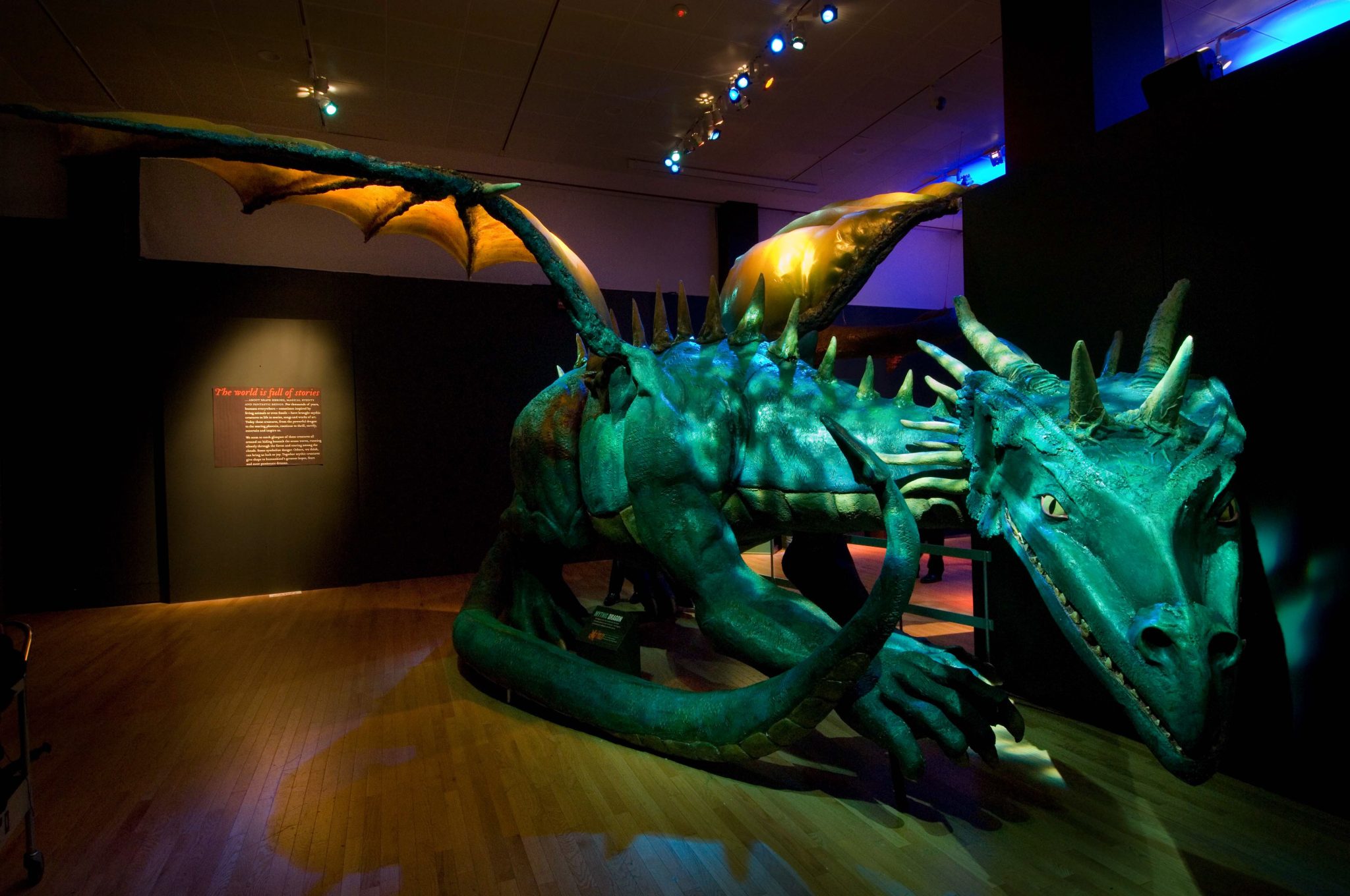
Through enormous creature models, fossils, cultural artifacts and interactive exhibits, the exhibition examines how real-world discoveries and human creativity may have combined to bring mythical creatures to life. Visitors can get up close to a towering dragon, peer beneath the waves in search of a kraken and consider how the remains of long-extinct animals might have fueled stories of fantastical beings.
On view now through April 4, 2027, the exhibition “underscores how humans have always brought mythic creatures to life through stories, music and art,” says Paula Cushing, senior curator of invertebrate zoology at the Denver Museum of Nature & Science. “It’s interesting to see past iterations of these creatures and use contemporary science to determine what these creatures may have been.”


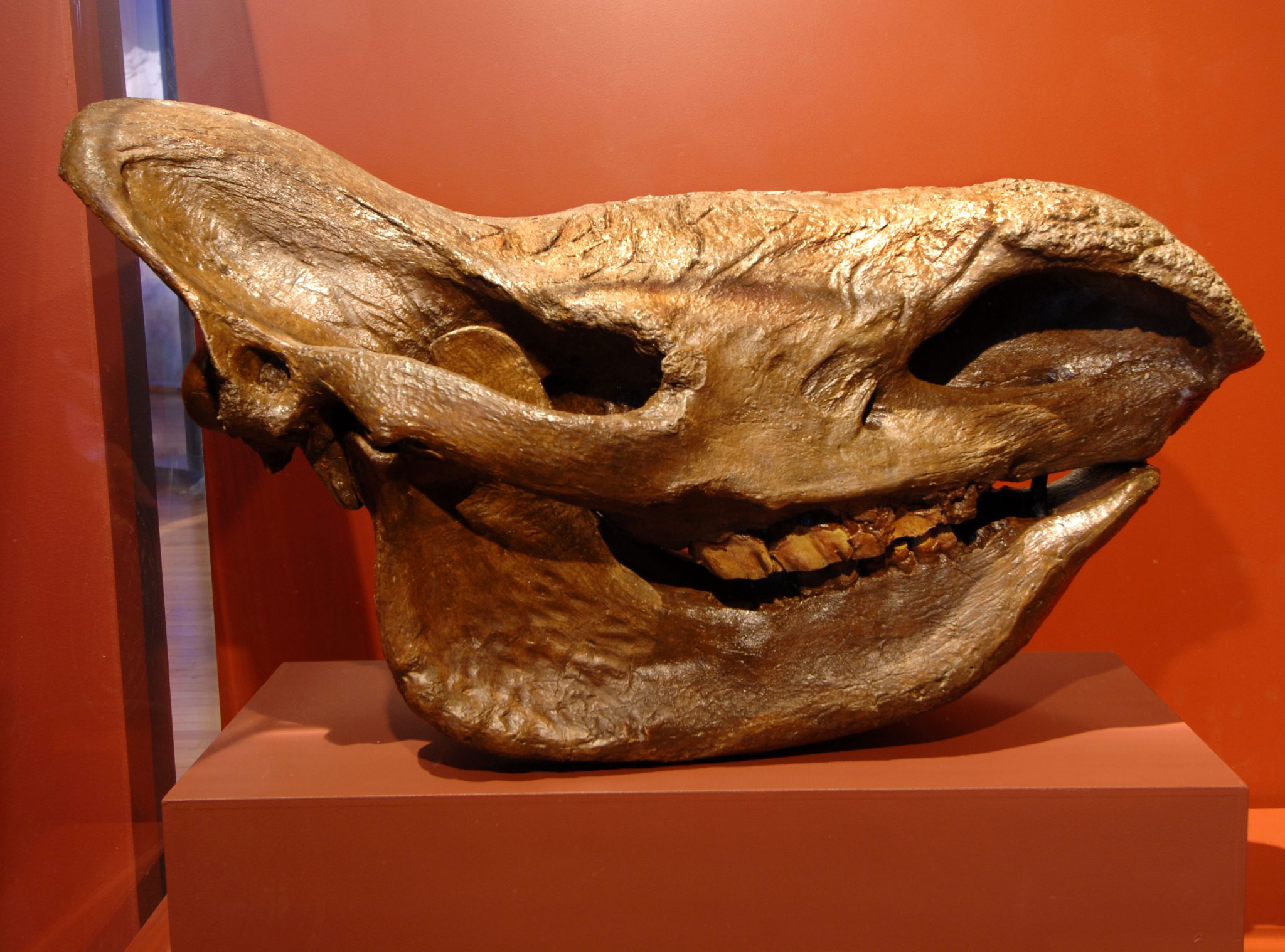
Organized by the American Museum of Natural History in New York in collaboration with four other museums, “Mythic Creatures: Dragons, Unicorns & Mermaids” brings together natural history, cultural traditions and imaginative storytelling to examine why people across time and place have continued to dream up extraordinary creatures—and what those stories might reveal about the world around them.
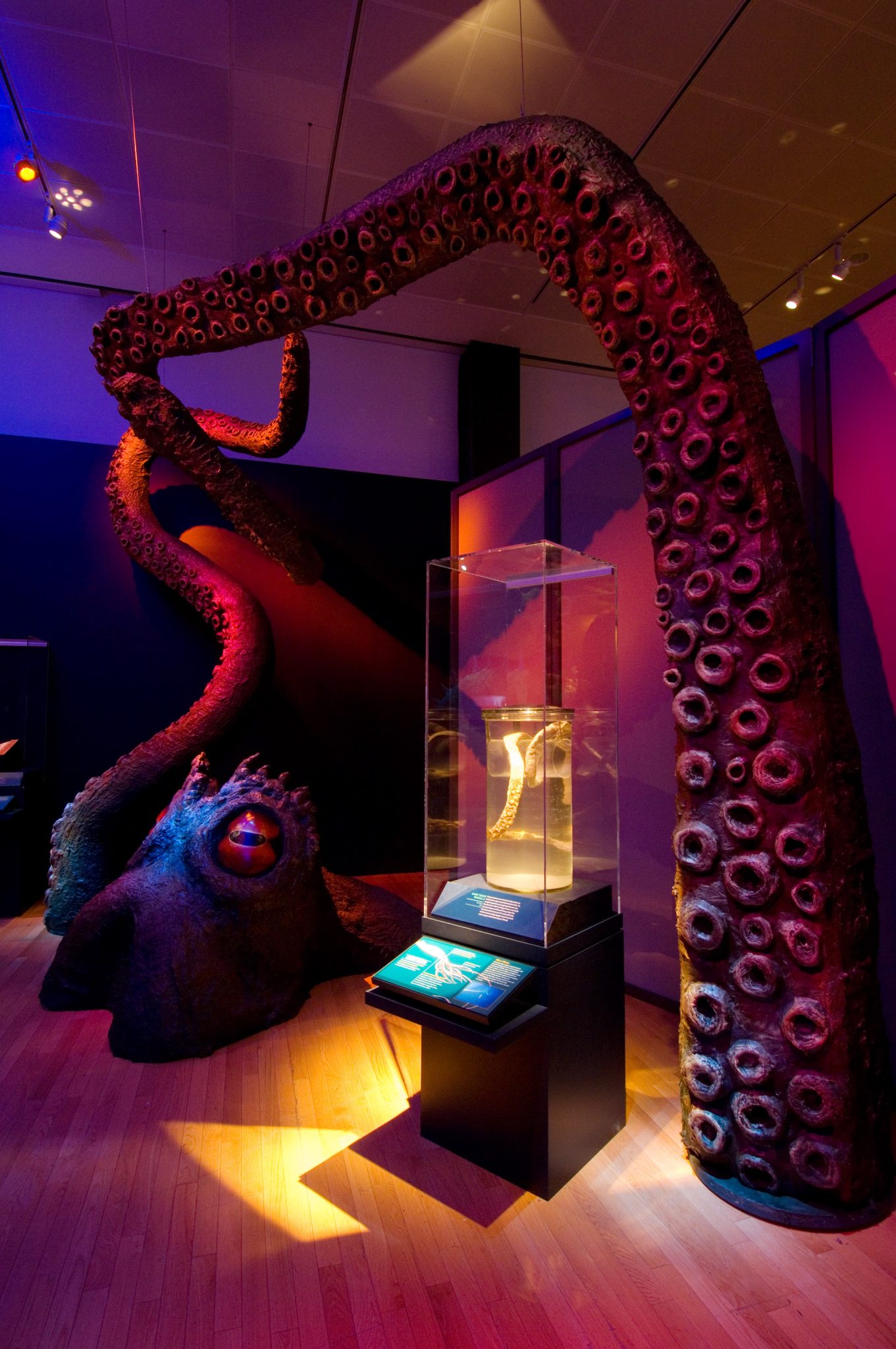
Among the exhibition’s most eye-catching displays are four life-size models of mythical creatures. A 17-foot-long dragon spreads its wings across a span of more than 19 feet, while a 10-foot-long unicorn offers a glimpse of the legendary animal that has captured imaginations for centuries. Elsewhere, an enormous Roc, a bird from Middle Eastern folklore, swoops overhead with sharp talons and a wingspan of nearly 20 feet. The tentacles of a 12-foot-long kraken appear to emerge from the exhibition floor, as though the legendary sea monster were surfacing from the depths.
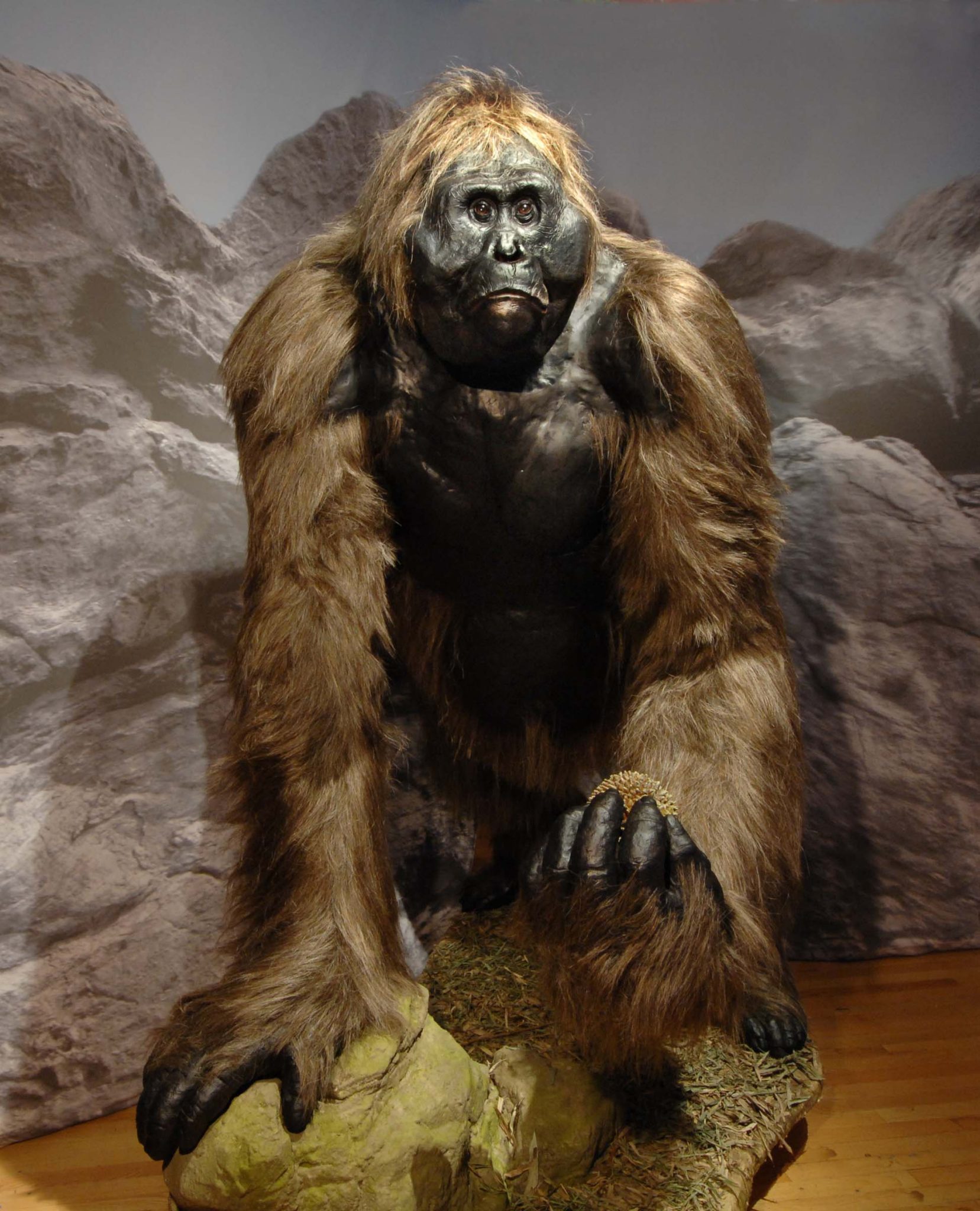
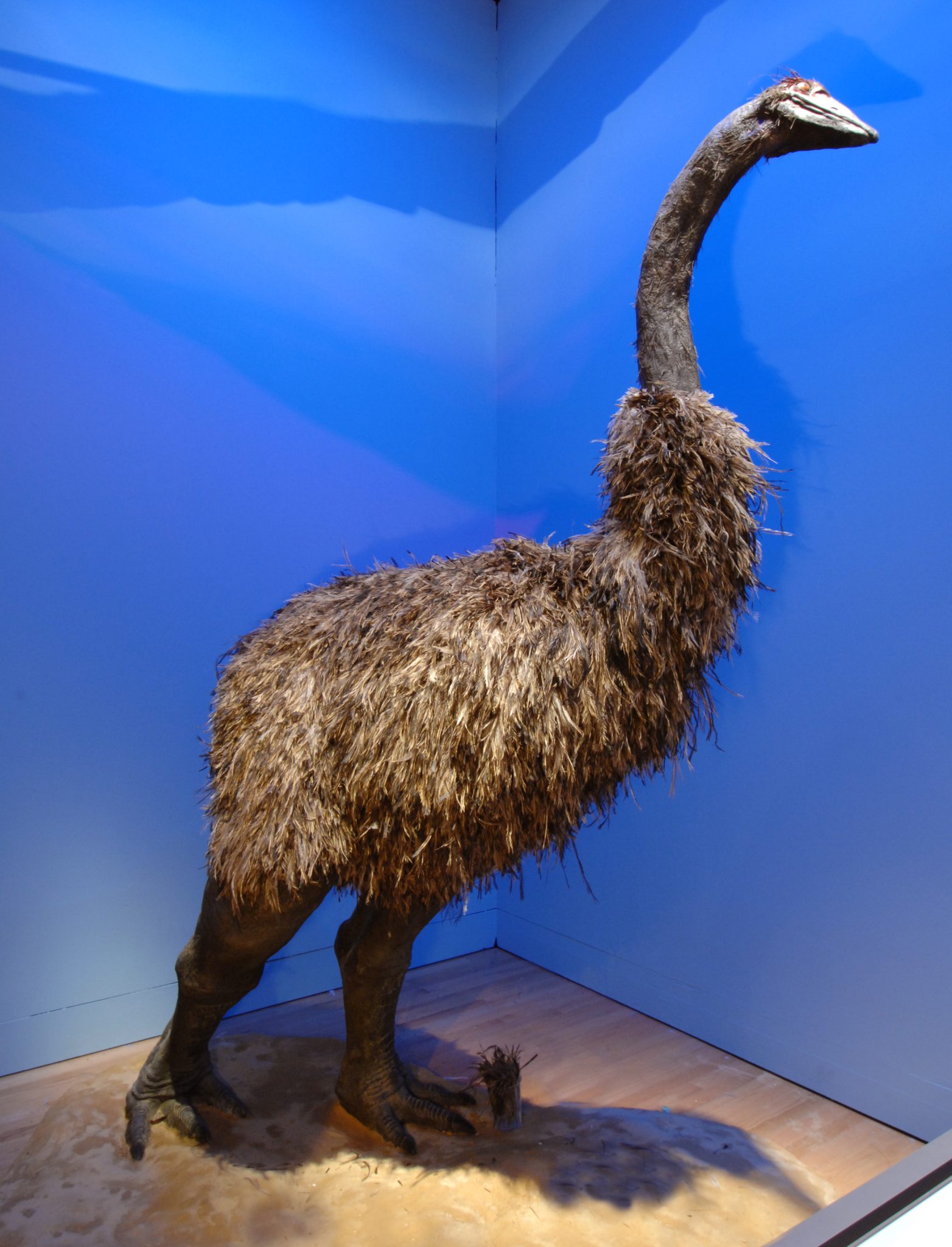
The exhibition also explores the real animals that may have helped inspire such tales. Two life-size models depict creatures that once roamed the Earth: Gigantopithecus, an extinct primate that stood more than six feet tall, and Aepyornis, an extinct bird that towered more than nine feet tall and was the largest bird known to have lived.
Visitors can encounter other examples of the complicated relationship between fact and fiction, including a replica of a so-called Feejee mermaid. Popularized by 19th-century showman P. T. Barnum, these fabricated curiosities were created by combining the head and torso of a monkey with the tail of a fish. The display offers a reminder of how spectacle and deception have sometimes helped mythical creatures gain a foothold in the public imagination.
Cultural traditions are another important part of the exhibition. A 120-foot-long Chinese parade dragon, once used in New York City’s Chinatown during Lunar New Year celebrations, illustrates how mythical creatures can hold meaning far beyond their physical forms, becoming central figures in artistic expression and communal celebrations.
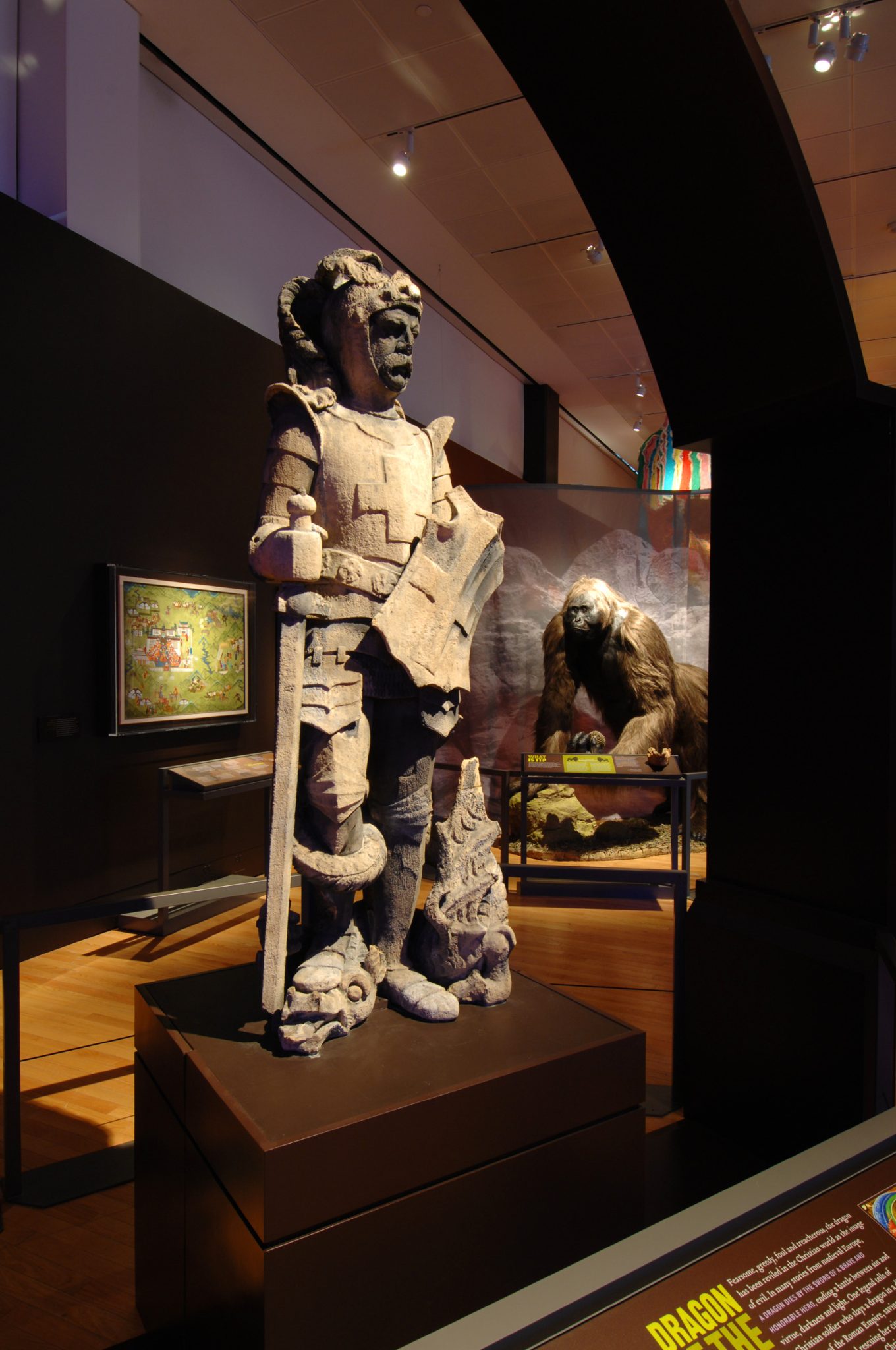
At interactive stations, guests can touch casts of a narwhal tusk, the lower jaw of Gigantopithecus and the talon of a Haast’s eagle, an extinct bird of prey from New Zealand. The hands-on displays encourage visitors to consider how unfamiliar animals and their remains might have been interpreted before modern scientific knowledge could explain them.
The Denver museum has added several features of its own, including a magnetic wall where visitors can combine body parts from real and imaginary animals to invent new mythical creatures. A dramatic play area lets guests step into the role of fantastical beings and create their own stories using props and scenery.
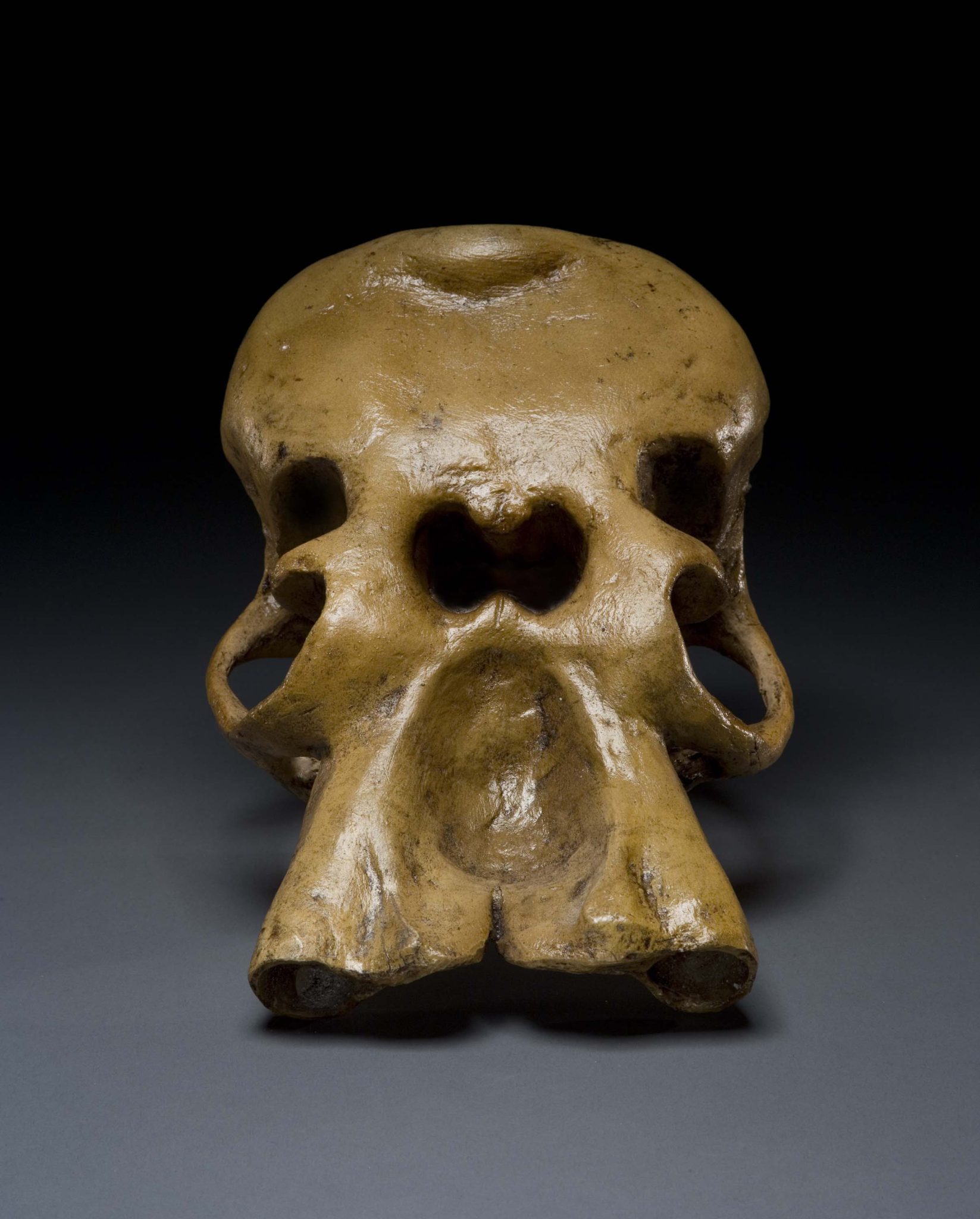
Additional objects from the museum’s collections deepen the exhibition’s exploration of the boundaries between science and storytelling. They include a 1984 screen print depicting a merman by Anishinaabe artist Roy Thomas, the skull and claws of a Komodo dragon and a rare fossilized egg from the extinct Aepyornis. A facilitated touch-cart gives visitors a closer look at how medieval understandings of real and fictional animals often overlapped.
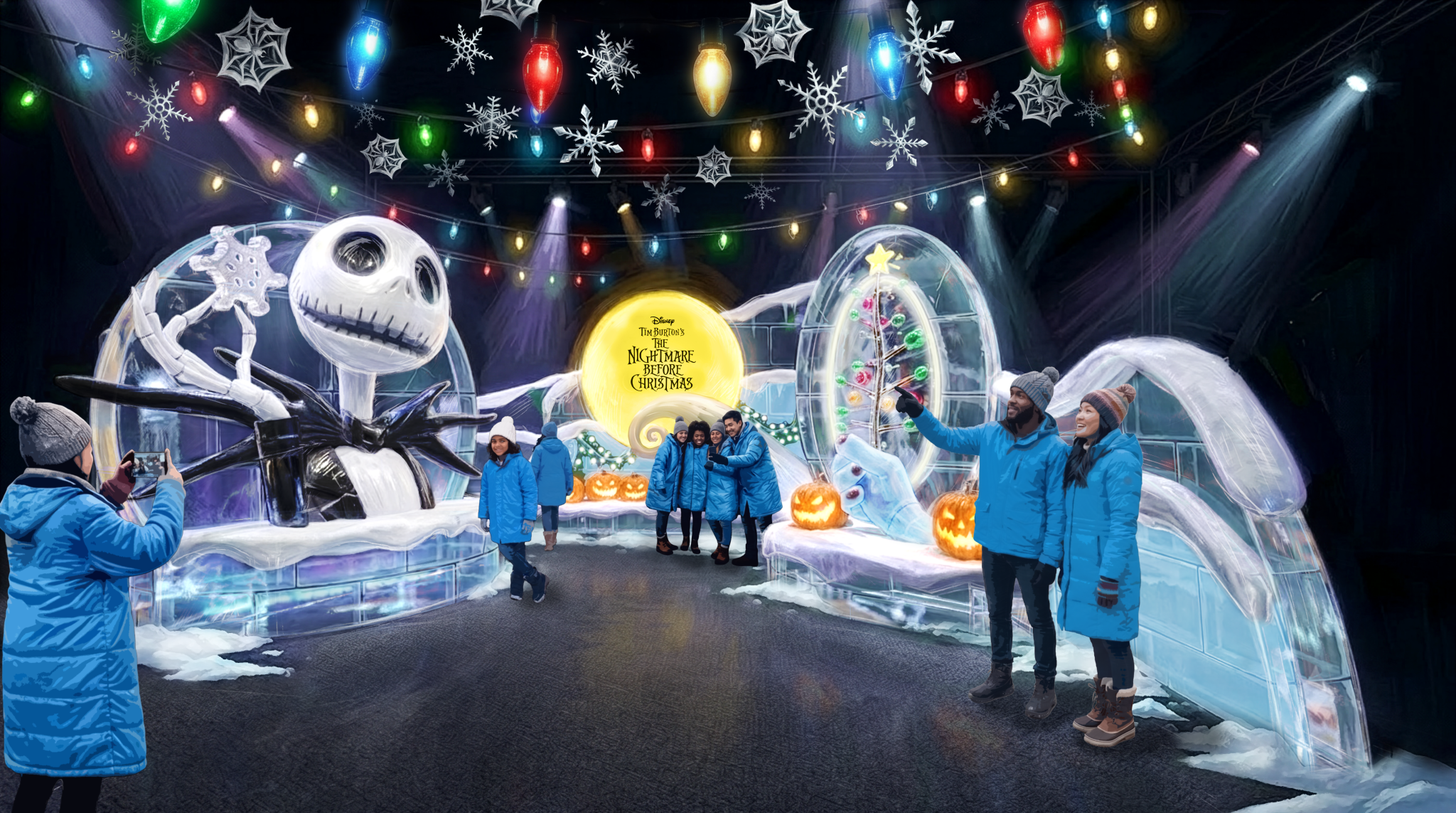
The mythic fun continues after dark with Magical Winter Nights, returning to the museum from November 25 through January 2, 2027. The after-hours experience invites visitors to explore transformed museum spaces filled with seasonal surprises and hands-on activities along a self-guided route that takes about 45 to 60 minutes. Each ticket includes admission to “Mythic Creatures: Dragons, Unicorns & Mermaids,” making it easy to pair a winter outing with a journey into the world of legendary beasts. Select evenings are reserved for adults 21 and older, with seasonal drinks and a more relaxed museum atmosphere.